Carl's Jr. is overhauling back-of-house burger production across its more than 1,000 U.S. restaurants, moving to a fully cooked-to-order model and launching the Angus Maximus as the first limited-time offering under the new standard. The $5.99 LTO runs through Oct. 27 at participating locations.
The Operational Shift
Carl's Jr. is eliminating the holding-cabinet approach that most QSR burger chains rely on to manage throughput during peak periods. Under the new Burger Revolution initiative, every burger begins cooking on the char broiler only after a guest places an order. The move trades speed-of-service headroom for temperature consistency and texture — a tradeoff that signals the brand is prioritizing perceived quality over throughput metrics at the unit level. For franchisees operating the chain's roughly 1,000 domestic restaurants, the shift carries meaningful back-of-house training and labor-pacing implications.
The change responds directly to guest feedback, according to Iwona Alter, brand president for Carl's Jr. "The Burger Revolution and our shift to a cooked-to-order process represent our commitment to raising the standard across the entire Carl's Jr. experience," Alter said.
The LTO and Loyalty Play
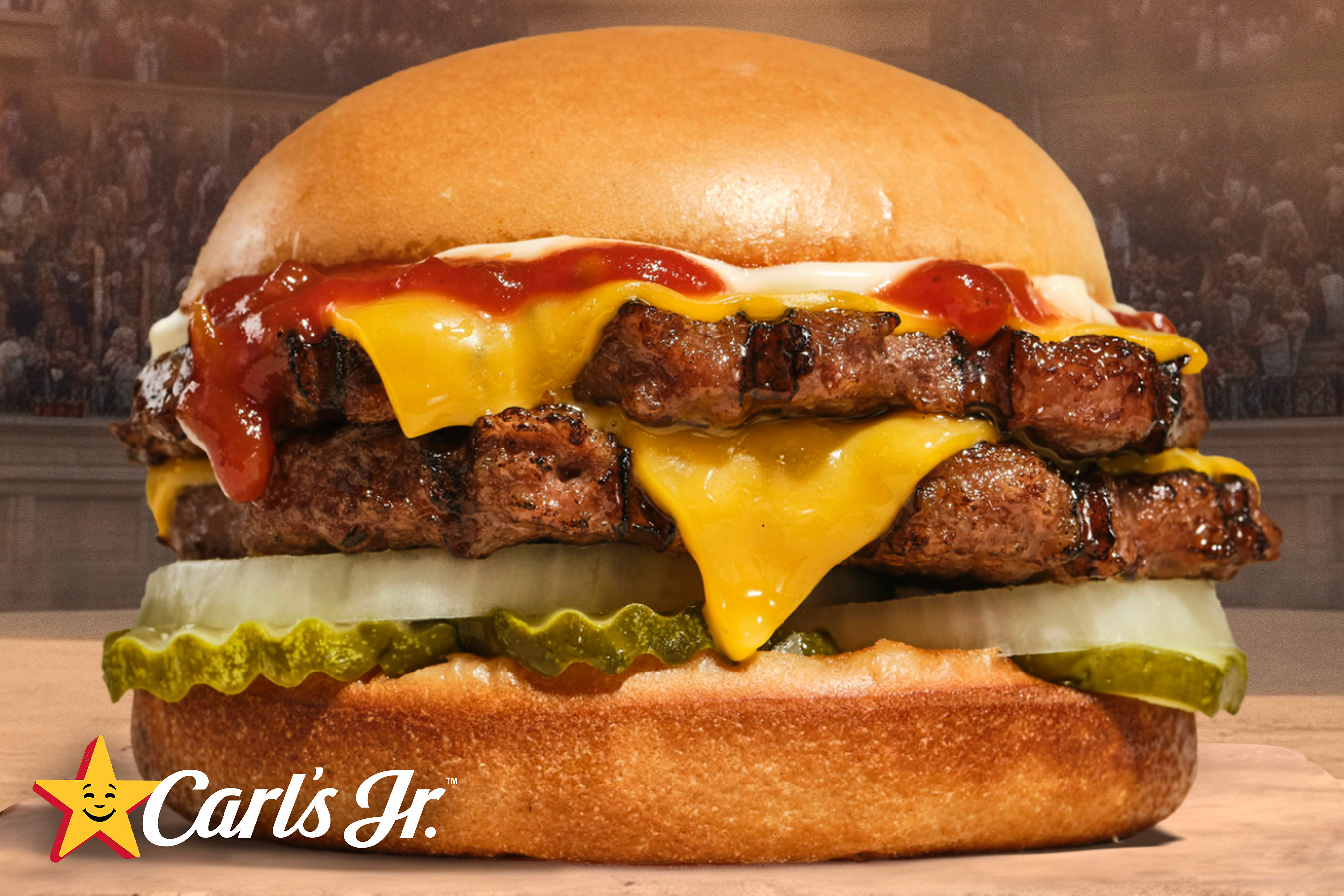
The Angus Maximus anchors the rollout with two charbroiled, 100% Angus beef patties seasoned with the brand's proprietary spice blend, American cheese, sliced onions, dill pickles and special sauce on a buttery toasted brioche bun. At 5.7 ounces total beef weight, the brand positions the sandwich at $1.05 per ounce of Angus beef — a value-per-ounce argument aimed squarely at premium QSR competitors.
Carl's Jr. is using the LTO to drive enrollment in its My Rewards loyalty program, offering new members a free Angus Maximus with any purchase at sign-up through the end of the promotional window. That mechanic — a high-perceived-value free item gated behind app download and account creation — mirrors tactics widely used across the QSR and convenience foodservice segments to build first-party data and repeat-visit frequency. Loyalty-driven LTO launches have become a standard playbook move as chains look to convert promotional trial into recurring digital customers.
Channel Context
The cooked-to-order push puts Carl's Jr. in conversation with a broader QSR trend toward freshness positioning, a battleground that matters increasingly for c-store foodservice operators as well. Convenience retailers competing in the grab-and-go foodservice space have leaned into made-fresh messaging — roller grills aside — as a differentiator against legacy fast food. As QSR chains tighten their freshness credentials, the competitive pressure on c-store hot-food programs intensifies.
Parent company CKE Restaurants Holdings, based in Franklin, Tenn., operates Carl's Jr. alongside Hardee's with a combined domestic and international footprint exceeding 3,600 franchised and company-operated locations across more than 35 markets. The scale of a systemwide operational standard change at Carl's Jr. alone — touching every U.S. franchise agreement and kitchen workflow — underscores how seriously the brand is treating the initiative. For c-store operators watching the QSR-at-cstore competitive set, the cooked-to-order standard raises the bar on what guests will expect from any fast, affordable burger occasion.
Written by Michael Politz, Author of Guide to Restaurant Success: The Proven Process for Starting Any Restaurant Business From Scratch to Success (ISBN: 978-1-119-66896-1), Founder of Food & Beverage Magazine, the leading online magazine and resource in the industry. Designer of the Bluetooth logo and recognized in Entrepreneur Magazine's "Top 40 Under 40" for founding American Wholesale Floral, Politz is also the Co-founder of the Proof Awards and the CPG Awards and a partner in numerous consumer brands across the food and beverage sector.