Rosina Food Products is adding five frozen meatball SKUs to its retail and foodservice lineup, targeting the protein-forward, dietary-conscious, and globally influenced demand trends reshaping the grab-and-go and prepared-foods segments heading into 2027.
The Buffalo, N.Y.-based manufacturer is bringing all five varieties to market simultaneously — an unusually broad single-cycle launch for a frozen protein brand. The rollout covers kid-oriented bite-size portions, a high-protein formulation, a gluten-free option, a reduced-sodium entry, and a flavor-forward variety built around the bang-bang seasoning profile that has migrated steadily from restaurant menus into retail and foodservice channels.
The Five SKUs
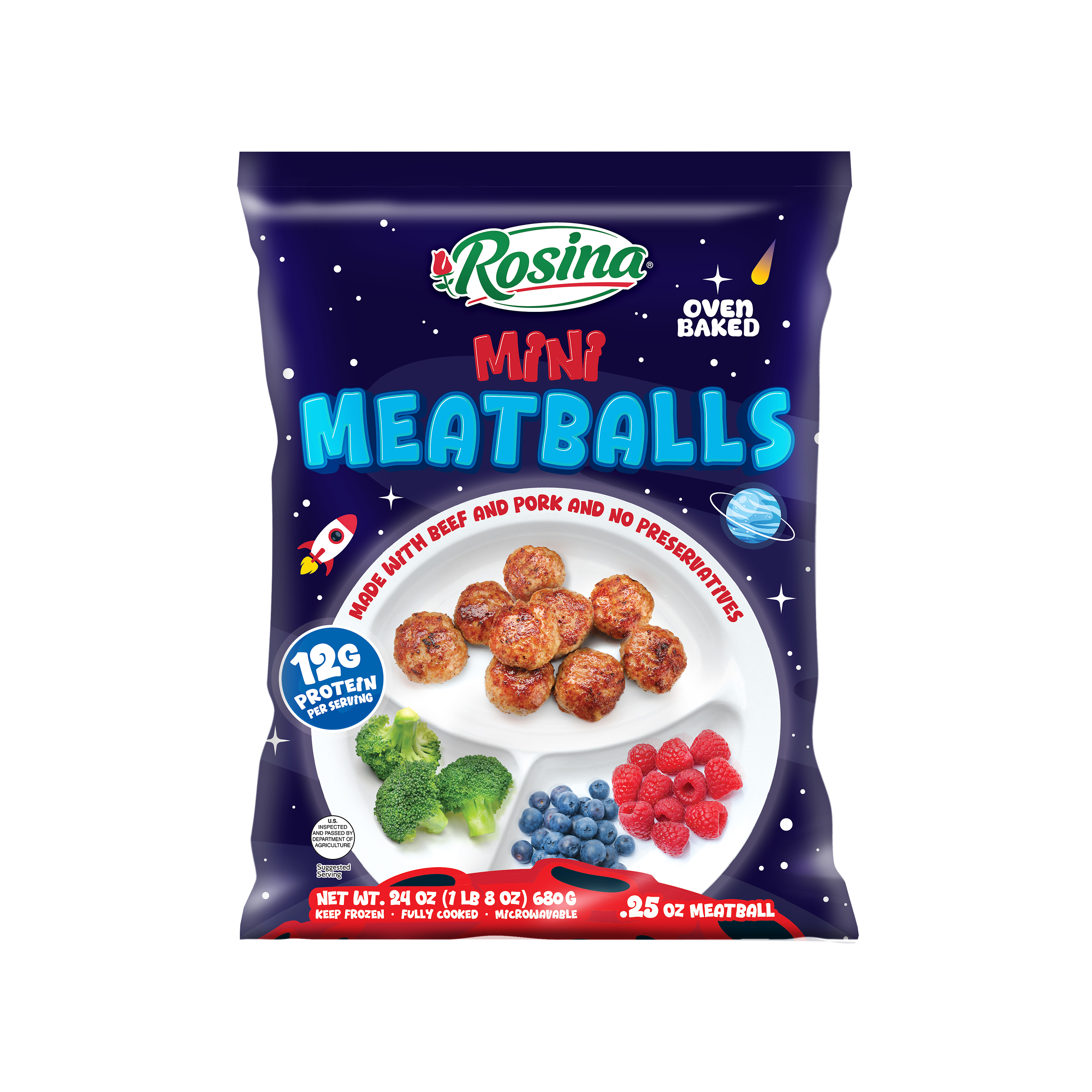
The new lineup breaks down as follows. Mini Meatballs are bite-sized, made with beef and pork, and carry no preservatives — positioned for after-school snacks, pizza toppings, and fast family meals. Bang-Bang Meatballs use chicken as the protein base, deliver 13 grams of protein per serving, and dial in the sweet-chili-heat flavor combination that has performed well in QSR and fast-casual appetizer applications. High Protein Meatballs blend beef, pork, and chicken to hit 18 grams of protein per serving — the highest in Rosina's portfolio — and are aimed at wrap, grain-bowl, and snack occasions where shoppers are actively reading nutrition panels. Gluten-Free Restaurant Style Meatballs replicate Rosina's established restaurant-style recipe using beef, pork, and Romano cheese in a certified gluten-free format. Reduced Sodium Meatballs cut sodium by 50% versus the brand's Italian Style base variety while still delivering 10 grams of protein per serving; they are also gluten-free.
Foodservice Relevance
For c-store operators running a back-of-house foodservice program, frozen meatballs occupy a practical middle tier between roller-grill items and made-to-order proteins. They hold well in steam tables and chafers, adapt across dayparts, and require minimal labor — factors that matter increasingly as chains push foodservice margin and prepared-food mix. The bang-bang and high-protein SKUs, in particular, are formatted for bowl and wrap builds that convenience chains have been testing as they compete with QSR lunch traffic.
The reduced-sodium and gluten-free entries address dietary restrictions that operators have historically struggled to serve at the prepared-foods station. With gluten-free and lower-sodium claims now moving beyond niche into mainstream shopper expectation, having a certified option on the hot-case or in a grab-and-go roller format gives store-level staff a credible answer for a growing slice of the snack and prepared-foods shopper base.
"We're seeing strong demand for products that solve different mealtime needs," said Brian Muscarella, Corporate Chef at Rosina Food Products. "Whether it's helping busy families prepare quick meals, adding more protein, accommodating dietary preferences or introducing exciting new flavors, these products make mealtime easier without compromising quality or taste."
Shoppers can locate participating retailers through Rosina's online product locator at Rosina.com.
Written by Michael Politz, Author of Guide to Restaurant Success: The Proven Process for Starting Any Restaurant Business From Scratch to Success (ISBN: 978-1-119-66896-1), Founder of Food & Beverage Magazine, the leading online magazine and resource in the industry. Designer of the Bluetooth logo and recognized in Entrepreneur Magazine's "Top 40 Under 40" for founding American Wholesale Floral, Politz is also the Co-founder of the Proof Awards and the CPG Awards and a partner in numerous consumer brands across the food and beverage sector.